Trust Wallet Fees: What They Cost and How to Save
admin 2026年8月30日 23:50:23 trustwallet钱包最新版本下载 14
Trust Wallet Fees: What They Cost and How to Save
Paying network fees on Trust Wallet feels like throwing money away sometimes. I started using this wallet because it keeps my crypto safe and lets me swap tokens easily. But every time I sent even a small amount of ETH or BNBTrust Wallet Fees: What They Cost and How to Save, a fee slipped out that I rarely understood. That changed when I realized these charges aren't set by Trust Wallet—they come from the blockchain itself. Knowing that distinction was the first step toward smarter spending.
Network fees, also called gas, are paid to validators who process transactions on each chain. A swap on Ethereum can cost five dollars or more during busy hours, while the same move on BSC might only take a few cents. Trust Wallet shows the estimated fee before you confirm, but the final amount depends on network congestion and the chain you're using. Choosing the right network for your transaction can cut costs dramatically.
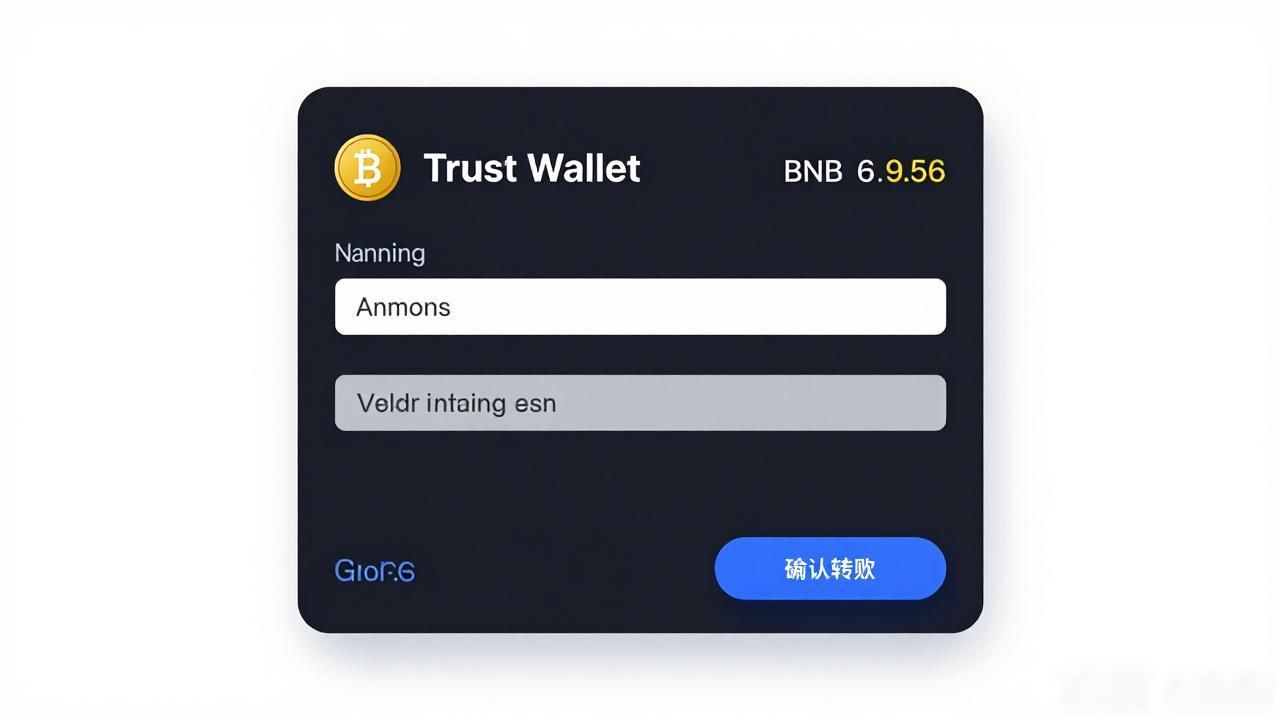
To check fees, I open the send screen, type the amount,and look just above the confirm button. It displays the estimated gas cost in both the native token and its dollar equivalent. If the number looks too high, I pause and check whether the destination chain is actually necessary. Sometimes the fee alone exceeds what I'm trying to send, which makes the transfer pointless. In those cases, waiting for lower activity or switching chains makes sense.
I also learned that fee settings aren't always transparent, especially with wrapped tokens or bridged assets. When moving between networks, additional layers can stack extra charges that aren't obvious until after the transaction completes. My habit now is to double-check the total cost of any cross-chain move before pressing send,because hidden steps add up quickly.
Understanding Trust Wallet's fee structure doesn't make payments disappearExploring Trust Wallet’s network fees: a user’s perspective, but it does put control back in my hands. I track fee trends during off-peak hours, keep native tokens handy for gas, and avoid unnecessary swaps on high-traffic chains. These small shifts have saved me real money over time.